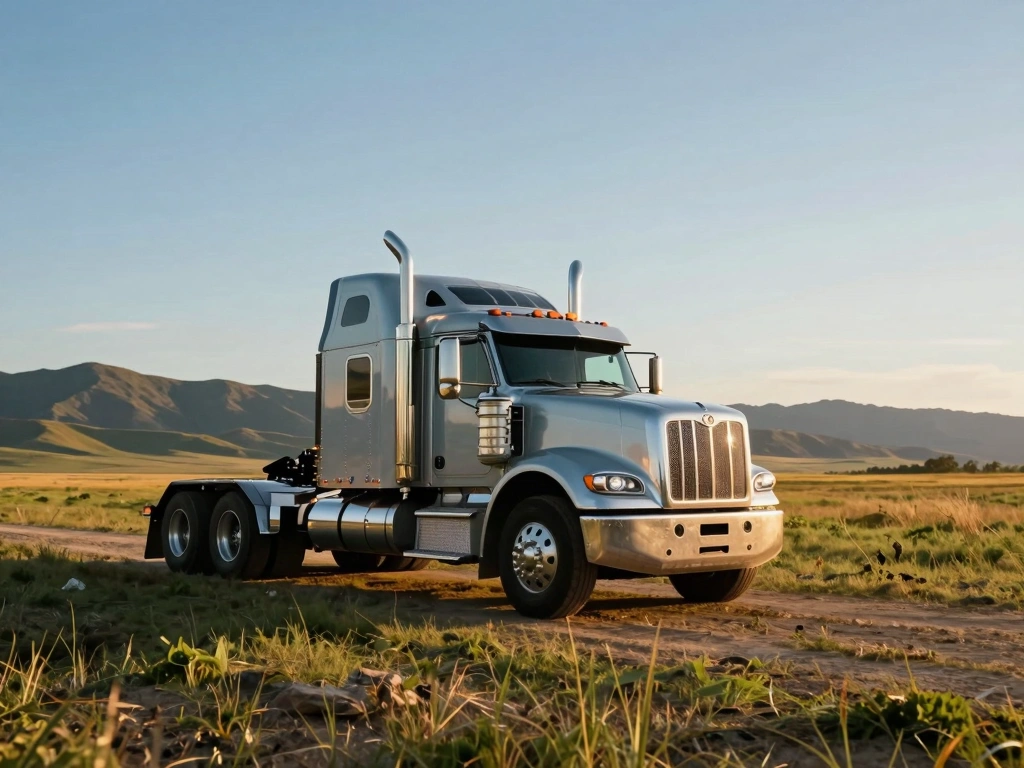

Understanding Running Boards: Purpose and Benefits
Running boards are more than just aesthetic enhancements for trucks; they offer practical solutions for everyday challenges faced by drivers and passengers alike. Designed primarily as side steps mounted along the lower sides of a truck, running boards facilitate easier access to the cab while also adding functionality and style. Whether your truck is lifted, or simply tall, running boards significantly reduce the height that drivers and passengers need to step down or up, making entry and exit safer and more convenient. When exploring options, running boards provide comprehensive insights into available solutions tailored to various truck models and driving conditions in Canada.
What are Running Boards?
Running boards are flat, typically elongated platforms that are designed to assist occupants when getting in and out of higher vehicles like trucks and SUVs. These boards align with the chassis of the vehicle and provide a stable surface for stepping, thus improving accessibility, especially for children, elderly passengers, or anyone who might have difficulty with the height of the vehicle.
Key Benefits of Installing Running Boards
- Enhanced Accessibility: Running boards make it easier for all passengers to enter and exit the vehicle effortlessly.
- Increased Safety: They provide a secure stepping surface that minimizes the risk of slips and falls.
- Vehicle Protection: Running boards can help shield the sides and underside of the vehicle from debris or road grime.
- Aesthetic Appeal: They contribute to the overall look of the truck, adding a rugged and finished appearance.
Common Misconceptions about Running Boards
Despite their popularity, running boards are often misunderstood. Some people think they are only for aesthetic purposes, while in reality, they serve vital functional roles. Additionally, others may believe that running boards are only suitable for off-road vehicles, but they are equally beneficial for city vehicles, offering ease of access in busy urban environments.
Types of Running Boards: Aluminum vs. Steel
Overview of Material Choices
When purchasing running boards for trucks, the choice of material plays a crucial role in their performance, durability, and overall weight. The two most common materials used are aluminum and carbon steel, each boasting unique properties that cater to different preferences and needs.
Advantages of Aluminum Running Boards
- Lightweight: Aluminum's lightweight nature makes it easier to install and reduces the overall weight of the truck.
- Corrosion Resistance: Aluminum does not rust, making it ideal for humid or wet environments.
- Variety of Finishes: This material can be anodized or painted, offering a range of style options.
Benefits of Steel Running Boards
- Durability: Steel is generally stronger and can support more weight compared to aluminum.
- Cost-Effectiveness: Steel running boards are often less expensive than their aluminum counterparts.
- Robust Look: Many truck owners prefer the aggressive and rugged appearance of steel running boards.
Selecting the Right Running Boards for Your Truck
Factors to Consider When Choosing
Choosing the right running boards requires careful consideration of several factors:
- Vehicle Compatibility: Ensure the running boards are compatible with your specific truck model and year.
- Weight Capacity: Know the maximum weight limit to ensure the boards can handle the load of multiple passengers.
- Style Preference: Consider whether you prefer a sleek, modern design or a more rugged look.
Compatibility with Different Truck Models
Different truck models often have specific requirements for running board fitment. For instance, running boards designed for a Ford F150 may not fit a Ram 1500. It's crucial to refer to the manufacturer's specifications and compatibility guidelines to avoid purchasing the wrong product.
Style and Design Options
Running boards come in various designs, including flat boards, tubular designs, and those with integrated lighting. Choosing a style that complements the truck's overall aesthetic is essential for a cohesive look.
Installation Tips for Running Boards
DIY Installation vs. Professional Help
While many truck owners may attempt a DIY installation, it’s important to weigh the pros and cons. DIY can save money, but a professional installation ensures that the running boards are fitted properly and securely, which is crucial for safety.
Necessary Tools for Installation
For those opting for DIY installation, a few basic tools will typically be required, including:
- Socket wrench set
- Drill (if necessary for mounting)
- Measuring tape
- Level for alignment
Step-by-Step Installation Process
- Gather your tools and lay out all components.
- Measure and mark where the running boards will be installed.
- Secure the mounting brackets to the truck frame.
- Attach the running boards to the brackets, ensuring they are level.
- Double-check all fasteners and ensure everything is securely tightened.
Maintaining Your Running Boards for Longevity
Routine Cleaning and Care Tips
To ensure the longevity and appearance of your running boards, regular maintenance is essential. Use mild soap and water for cleaning, and avoid abrasive cleaners that could scratch the surface. Additionally, applying a coat of wax periodically can help protect aluminum boards from corrosion.
Common Issues and Fixes
Common issues include rust on steel boards and loose fittings. Keeping an eye on the condition of the boards and addressing these issues immediately will help maintain their functionality and appearance.
Future Trends in Running Board Technology (2026 and Beyond)
As we move into 2026, advancements in running board technology may include features such as automatic deployment or integration with vehicle sensors that make accessibility even easier. Innovations in materials will likely enhance durability while reducing weight further.
Frequently Asked Questions
What is the purpose of running boards?
Running boards provide easier access to vehicles, enhance safety by offering a stable stepping surface, and protect the vehicle from road debris.
Who makes the best quality running boards?
The quality of running boards can vary widely by manufacturer. Brands like LAXPARTS, Westin, and Rough Country are known for producing durable and reliable running boards.
Are running boards a good idea?
Yes, for most truck owners, running boards are a smart investment offering both practicality and style.
How difficult is it to install running boards on a truck?
The installation difficulty can range from easy to moderate, depending on the specific model of running boards and the vehicle. Many can be installed with basic tools and mechanical knowledge.
What are the best brands for running boards?
Some of the top brands include LAXPARTS, Westin, and Raptor. Each brand offers a variety of styles and materials to suit different preferences and requirements.